
Roofing
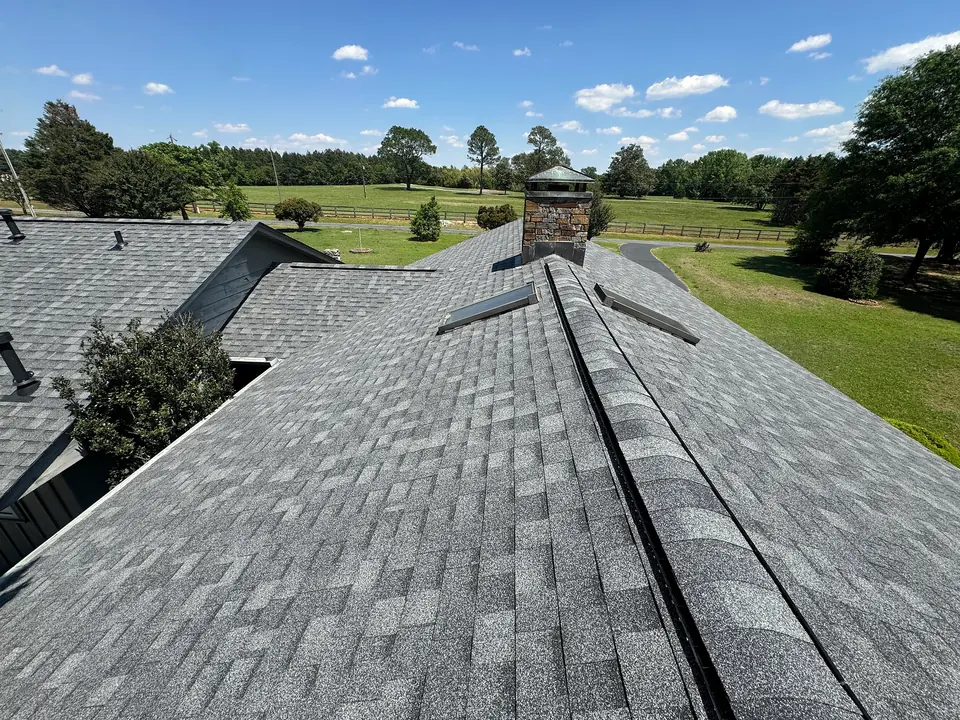
Shingles, flashing, and penetrations on the slopes that took the hit.
Storm damage · Documentation / Arkansas
After hail or wind, the first question is rarely what it will cost. It is what is actually damaged — and what is worth documenting before anyone starts cleaning up.
Let’s discuss your propertyA thoughtful starting point
Shingles, flashing, and penetrations on the slopes that took the hit.
Impact damage, displaced panels, and failed seams or trim.
Hangers, fascia, downspouts, and drainage that bent or pulled away.
Dated photographs, written notes, and an itemized list of observed conditions.
Observe / Document / Coordinate
Keep visible conditions, photographs, and construction questions in one clear conversation. Discuss the scope and understand what needs further investigation.
Request a property reviewGood documentation.
A more informed conversation.
01 / Hail and wind damage
Some damage is obvious: broken tiles, missing shingles, a bent gutter pulled off the fascia. Other damage is subtle — soft spots, displaced sealant, lifted shingles that still look seated, or panel edges that no longer sit flush.
Because both readings matter, documentation is the first task rather than a preliminary step. What can be photographed and described tends to stay understandable; what is cleaned up before it is recorded tends to become a disagreement.
02 / Documentation
Useful documentation is dated, specific, and taken before the property is altered. Photographs of each affected area, notes describing what was observed, and an itemized list of proposed repair items give everyone reviewing the project the same starting point.
When a repair item is not visible from the ground, saying so plainly is more useful than guessing at it. Items that need further documentation are identified as such.
03 / Insurance-related construction
We work on the construction and coordination side of a storm project: documenting visible property conditions, describing construction scopes, coordinating inspections, identifying repair items that may require additional documentation, and gathering project documentation.
Alden Stone Group provides construction and project coordination services and does not provide public adjusting or legal services.
The Alden Stone approach
One point of guidance. A considered path from the first inspection through completion.
Take a closer look at the property and the visible conditions.
Make sense of the findings, the priorities, and your questions.
Define the scope, materials, and practical next steps.
Bring the right people and details together as work moves forward.
Review the work, the details, and the path ahead.
A little more clarity
Every affected area, from more than one angle, before anything is cleaned up or repaired. Include a wider shot for context and a close shot of the specific condition, and keep the original files.
No. Some hail damage is limited to specific slopes or individual shingles and can be repaired. The answer comes from inspecting what the storm actually did, not from the storm itself.
On the construction side, yes. We document conditions, describe the construction scope, and coordinate inspections. We do not negotiate with insurers, determine coverage, or guarantee any outcome.
Not before the property has been documented. Material can be removed once the affected areas have been photographed and recorded, which keeps the assessment clear.
For Arkansas property owners / A sourced starting point
Explore claim steps, estimate terminology and Arkansas consumer-handling standards. Construction documentation and insurance coverage are different conversations.
Explore insurance & storm resources →Alden Stone / Your next step
Tell us about your property. We’ll follow up to understand what you need and discuss a time to take a closer look.
Request a consultationA request starts the conversation. Your appointment is confirmed separately.
A practical take-away
A safety-first, printable checklist for observations, photographs and the next questions.
Open the homeowner checklist →