
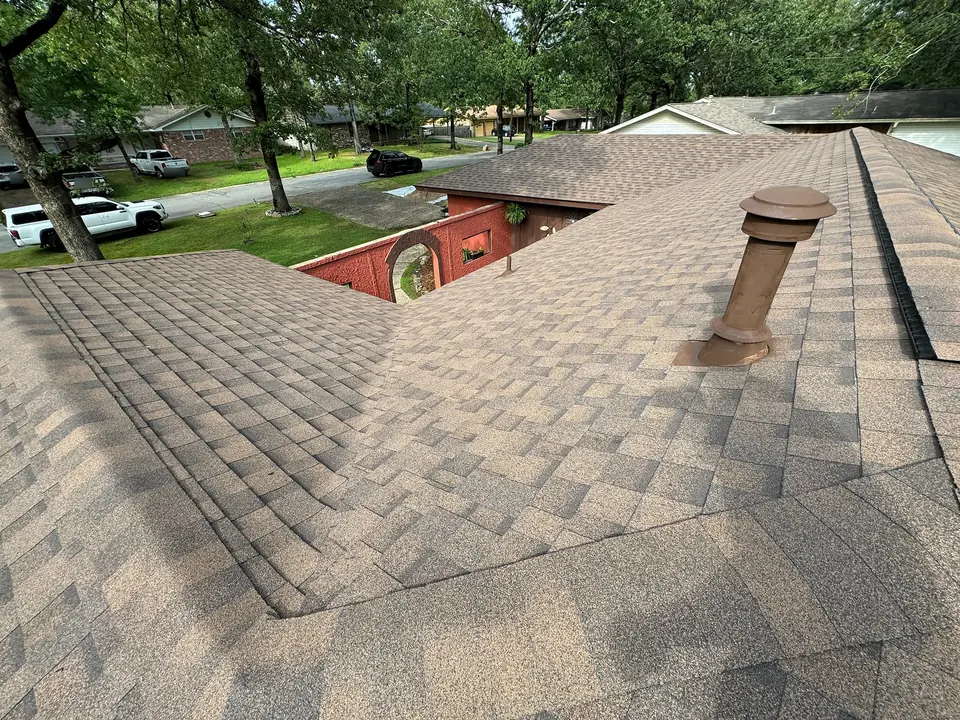
Make the location clear
Begin each affected area with an overview image, then add close details. Give the photograph a plain location label that connects it to the inspection record: roof slope, chimney connection, gutter section or interior room. Retain the original image rather than an edited version that changes the condition.
Use the same location names across photographs, measurements and estimate questions. A close-up with no context can be hard to interpret. A contractor can safely capture roof-level conditions and explain which areas were inaccessible or remained concealed.
Keep dates and observations accurate
Record when damage was discovered, the reported storm date where known and any inspection dates. Distinguish new observations from earlier repairs or wear. If the precise cause or timing is uncertain, identify the uncertainty instead of filling the gap with a confident claim.
Do not create a before/after narrative unsupported by records. Older photographs, invoices and maintenance notes can provide context when available. Keep them separate from current inspection photographs so reviewers understand what each document establishes.
Connect a construction item to its reason
For each proposed operation, identify the affected location, observed condition, quantity and method. Explain the relationship to adjacent components. A sidewall repair, for example, may need an explanation of shingles, flashing and the wall finish rather than a vague “roof repair” description.
If a quantity depends on concealed conditions, label the limitation and explain how it will be assessed. Avoid presenting an allowance or an estimate assumption as a verified damaged quantity. The goal is a reliable construction record, not a larger unsupported total.
Keep communications and mitigation records
Save insurer instructions, decision letters and the questions you submitted. Keep a dated communication log and the claim number so follow-up refers to the same record. Preserve receipts and photographs for safe temporary protection or other emergency work.
AID recommends retaining damage documentation and avoiding permanent repairs before insurer inspection/coordination. Ask about evidence-preservation requirements; when safety requires urgent removal, document the condition and action where practical. Do not delay necessary protection just to obtain a preferred photograph.
Prepare a focused additional-information package
If a construction detail appears missing, show the specific difference between the documents and the supporting record. Ask the contractor to explain the operation, not to make a coverage promise. Ask the insurer what further information it needs to evaluate the question.
Additional documentation may be called a supplement. It is not guaranteed additional payment. Keep optional improvements distinct and do not misrepresent work as completed. Alden Stone can organize factual construction information without acting as a claim negotiator.
Use the record to choose a practical next step
If the concern is a leak or unknown roof condition, request an inspection. If the construction scope is unclear, request a scope conversation. If the concern is a policy decision, contact the insurer or AID; legal disputes may require appropriately licensed legal counsel.
A useful record remains valuable even if insurance does not pay for the work. It helps you compare defined construction proposals and preserve an understandable history of the property. We do not guarantee approval, supplements, payment or a particular settlement value.