
Compare the same areas and operations
Start with the roof slopes or exterior locations included in each document. Match each item to a physical area. Check whether the document proposes a repair, a slope replacement or a larger replacement; comparing different scopes only by total price can be misleading.
Look at units as well as quantities. Roofing area, flashing length and the number of pipe boots are not interchangeable measures. Ask how dimensions were obtained and whether waste or access assumptions are identified. Keep unverified quantities labeled as provisional.
Look beyond field shingles
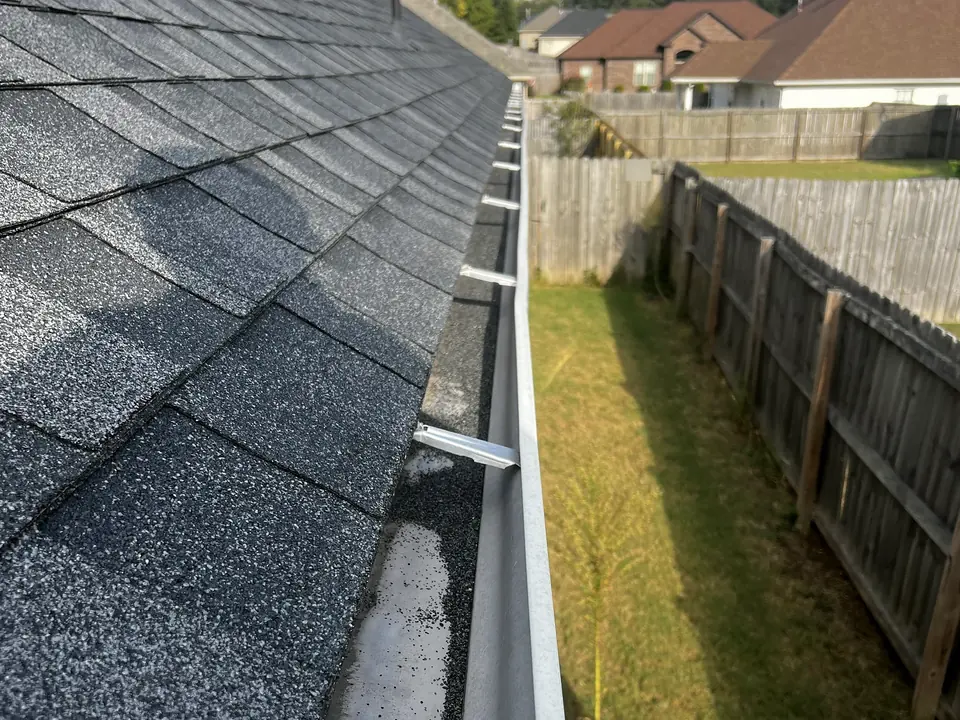
An asphalt roof includes protective sheets, starter courses, ridge details and edge/flashing connections. Which parts must be disturbed, repaired or replaced depends on the actual condition and method. The roof explorer shows these relationships without claiming every assembly is identical.
For example, replacing shingles beside a sidewall may involve step flashing and the wall finish. Ask the contractor to explain which existing detail is present, what will be disturbed and why the proposed operation is necessary. Do not assume every old flashing item must be replaced on every project.
Explain the reason for each difference
A useful construction note connects an observation to an operation: location, condition, measurement, proposed method and supporting photograph. If decking condition cannot be verified until tear-off, identify that as a concealed-condition question rather than an established damage quantity.
Separate a necessary repair from a preference or upgrade. Changing a material appearance or adding an optional improvement is not the same as restoring a damaged component. Clear distinctions make the contractor agreement and any insurer questions easier to understand.
Verify local requirements rather than quoting a generic code
If a contractor identifies a code-related construction need, ask for the relevant authority, adopted requirement and reason it applies to the proposed work. Existing conditions, jurisdiction and the extent of work may affect applicability. A generic online code statement is not enough.
Insurance payment for a construction requirement is a separate issue. Ask the insurer whether applicable policy provisions, including any ordinance-or-law coverage, address it. Neither a verified requirement nor an estimate line guarantees insurer payment.
Organize additional construction documentation
Prepare an itemized comparison with the affected area, the construction difference and the supporting information. Keep the owner’s question clear: ask the insurer to review the relevant records and explain its treatment of the proposed item. Avoid inflated quantities or repeated unrelated submissions.
This may be described as a supplement or additional-documentation request. It is a request for review, not an approved payment. Alden Stone can provide construction records and explain scope; it does not negotiate a settlement or guarantee that an item will be accepted.
Keep your contractor agreement separate
Before work starts, understand which scope you are hiring the contractor to perform and how changes will be handled. Ask about materials, labor operations, disposal, access and completion records. Know your responsibility for work that insurance does not pay.
If a proposed item remains unresolved, ask the appropriate party: the contractor for construction method and price; the insurer for policy application; licensed legal counsel for legal interpretation. A construction consultation can help organize the first of those conversations.