
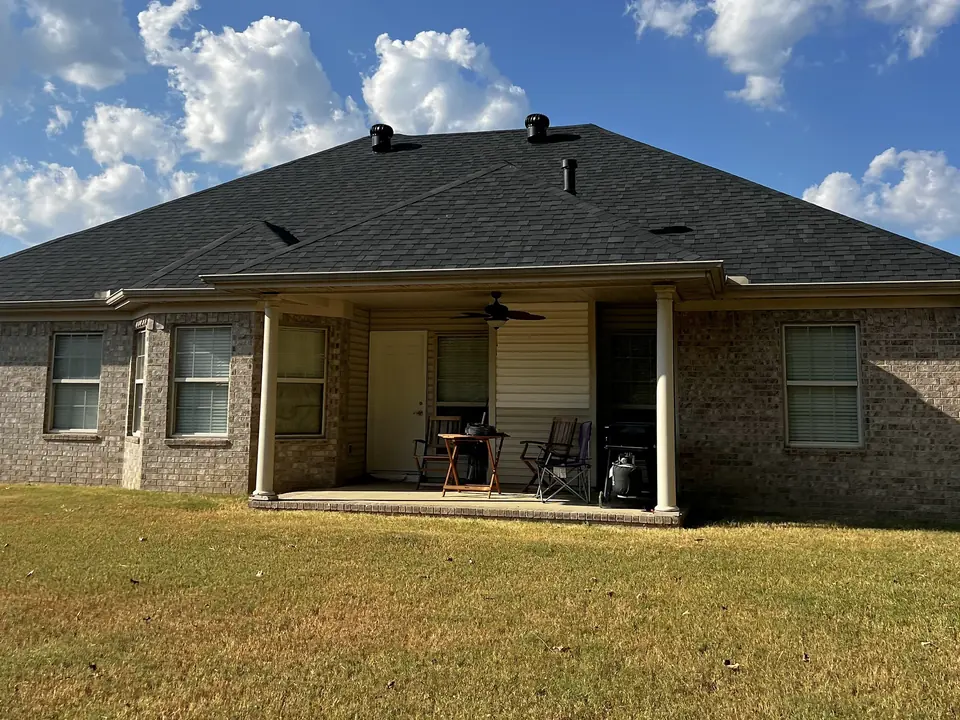
Put safety before roof access
Stay clear of downed lines, damaged trees, loose building materials and unsafe structures. Follow local emergency instructions. Do not walk a damaged, wet or unstable roof to investigate a suspected leak. Arrange qualified help where roof access or temporary protection is needed.
From a safe location, note active water entry, loose exterior materials and any interior areas that need protection. Move belongings only when it is safe. Emergency protection and a later permanent repair are different decisions.
Make a dated record of visible conditions
Photograph the whole affected area before taking detail images. Include the roofline, siding, gutters and any interior staining where accessible. A wide view establishes location; a close view explains the visible condition. Keep original files and record the dates accurately.
Avoid labeling every blemish as storm damage before it is evaluated. Note what changed, what you previously knew about the roof and what remains uncertain. A contractor can record roof-level details without asking you to take the access risk.
Report the loss and ask for instructions
Contact the insurer or agent promptly if you believe the property has a covered loss. Ask what information is needed, who will inspect and which policy deadlines apply. Keep the claim number and copies of instructions alongside your property record.
AID recommends documenting damage, preserving receipts and checking with the insurer before permanent repairs. Ask before discarding damaged materials unless safety requires their removal; photograph and document urgent removal when possible. Do not treat a contractor’s inspection as an insurer’s coverage decision.
Separate temporary protection from permanent work
Arrange necessary temporary protection to prevent additional damage safely. Keep the contractor’s description, before/after photographs and receipts. Ask the insurer about its documentation requirements and whether the particular expense may be covered.
For permanent repairs, clarify the insurer’s opportunity to inspect and your construction scope before work changes the evidence. Do not let this discussion postpone urgent safety measures. Payment for mitigation or permanent construction still depends on the policy and circumstances.
Choose a contractor deliberately
Request a written scope and compare bids that describe the same areas and operations. Check references and applicable licensing/insurance rather than relying on a doorstep promise. Ask how concealed damage, material choices, payment stages and completion records will be handled.
AID warns against pressure, blank contracts and offers to waive a deductible or promise rebates. Get the work, cost and payment expectations in writing. Alden Stone explains the construction plan; it does not tell you that the insurer must approve it.
Inspect the whole connected exterior
A roof concern may involve edge metal, flashings, gutters or siding as well as shingles. An inspection should distinguish observed damage, pre-existing wear and areas that require further review. Do not assume an undamaged component must be replaced simply because a claim is open.
If you need help understanding the assembly, explore the roof-system guide. For a recent storm concern, request a roof inspection and describe any active leakage. A request starts a conversation; availability and an appointment are confirmed separately.